Skip to content
EGROUPINUS
Toggle navigation
All applications

Duty-cycle driven selection

Industrial Equipment

Battery cells, SLA upgrades, and custom packs for industrial equipment where load profile, environment, service access, and supply continuity matter as much as catalog voltage.

Application perspective

Design the requirement before locking the part number.

Industrial equipment programs usually fail when the battery is selected from a voltage label alone. Define the duty cycle, peak events, enclosure limits, charging behavior, and maintenance path first. Brand cells support custom packs; SLA upgrades can fit common footprints; higher-capacity ESS modules may support fixed industrial backup nodes. The examples here focus on equipment-oriented selection logic for B2B programs.

Evaluation priorities

01

Continuous and peak load profile

02

Operating temperature and vibration

03

Service access and replacement strategy

04

Supply continuity and documentation

Review your application

Typical equipment

Examples from common programs

Representative equipment examples for B2B programs. Final suitability depends on the electrical, mechanical, environmental, and compliance requirements.

  • Industrial tools and powered workstations
  • Portable or semi-fixed industrial electronics
  • Miner’s lamps and field instruments
  • Fixed industrial backup nodes inside equipment rooms
Starting paths

How buyers usually begin

Use these as comparison entry points, not as final configuration decisions.

High-rate cells for custom packs

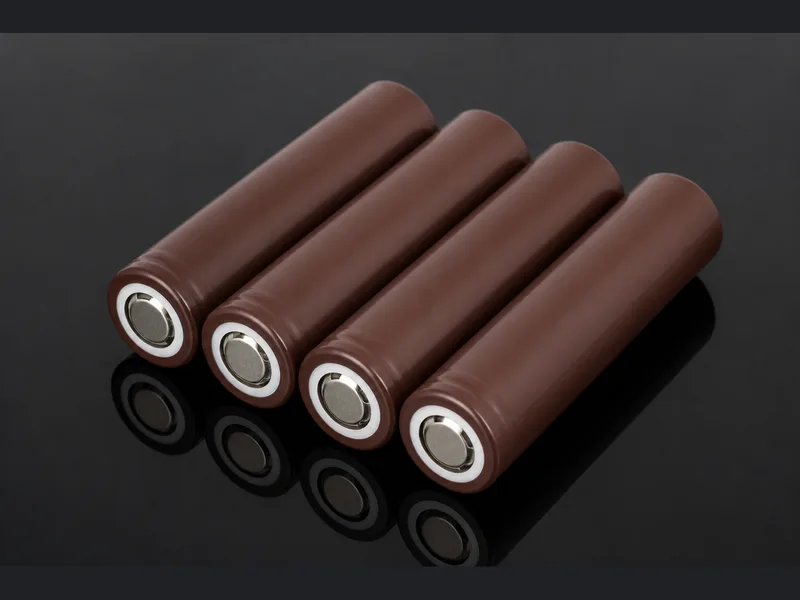
Use brand high-rate cells when the machine needs a dedicated pack with burst current and defined BMS behavior.

SLA footprint upgrade

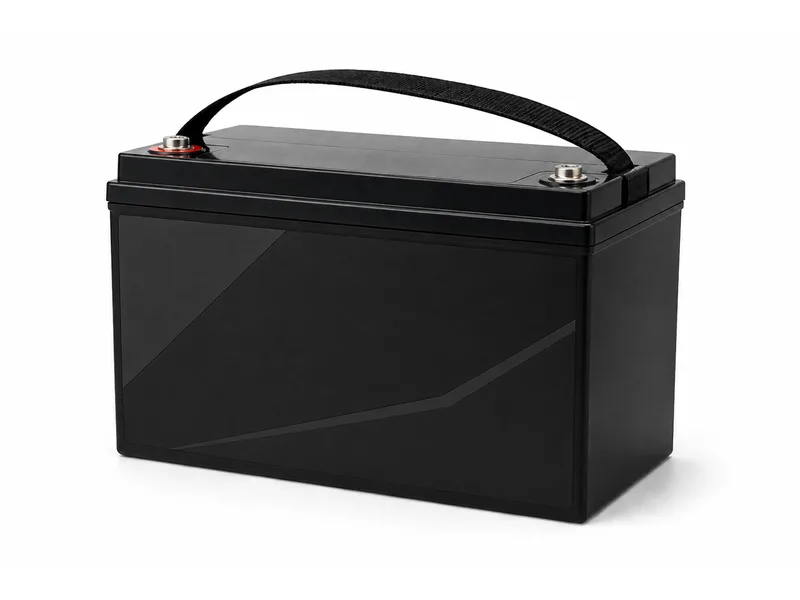
Use 12V LiFePO4 when replacing common sealed lead-acid packs inside industrial equipment.

Rack ESS for fixed nodes

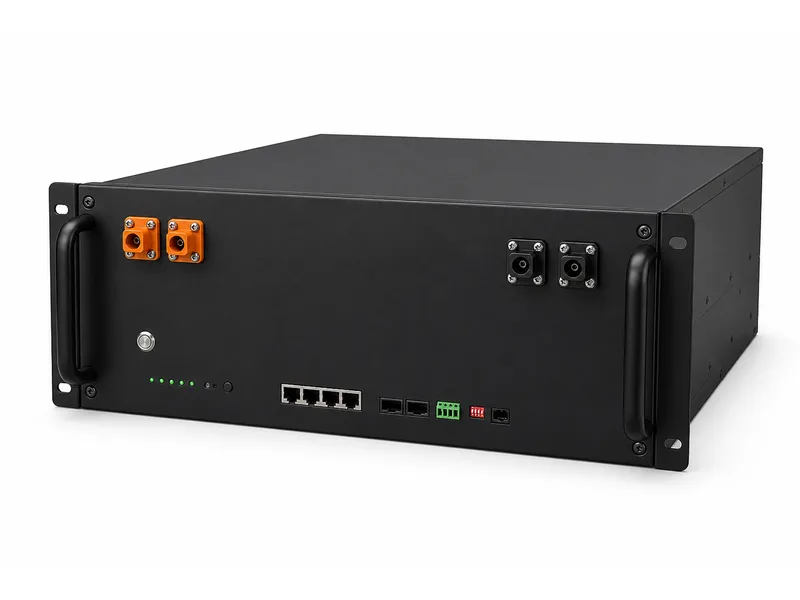
Use SCIFP modules when the industrial site needs cabinet backup rather than a handheld or onboard pack.

RFQ inputs

Send these with the request

A short requirements package reduces assumptions before samples or production quotes.

  • 01Duty cycle, continuous current, and peak events
  • 02Temperature, vibration, and enclosure constraints
  • 03Preferred chemistry/voltage class and service method
  • 04Expected volume, spare strategy, and documents needed
Start application RFQ
Recommended starting points

Products to begin the comparison.

Recommendations indicate a potential starting format only. Final suitability depends on the complete application and system review.

Start a project

Planning a industrial equipment project? Start with the operating profile.

Share your target voltage, load profile, environment, volume, and schedule. Our team will follow up with the next technical and commercial questions.

Request a quote