Skip to content
EGROUPINUS
Toggle navigation
All applications

Reliability-first selection

Medical & Emergency Equipment

Battery support for medical and emergency equipment programs focused on reliability, compatibility, documentation, and long-term service.

Application perspective

Design the requirement before locking the part number.

Medical and emergency equipment projects benefit from early confirmation of runtime, recharge strategy, alarm behavior, enclosure constraints, and required documents. SLA upgrades can be evaluated for existing footprints, while custom packs and cell selections support equipment that needs a dedicated architecture. Regulatory requirements are reviewed against the specific equipment, destination market, and project scope.

Evaluation priorities

01

Runtime and standby behavior

02

Charge/maintenance profile compatibility

03

Model-specific documentation

04

Environmental and service constraints

Review your application

Typical equipment

Examples from common programs

Representative equipment examples for B2B programs. Final suitability depends on the electrical, mechanical, environmental, and compliance requirements.

  • Sickbeds, operating tables, and related powered medical furniture
  • Wheelchairs and mobility-assist equipment
  • Dentistry tools and clinical instruments
  • Backup power for emergency and clinical subsystems
Starting paths

How buyers usually begin

Use these as comparison entry points, not as final configuration decisions.

12V SLA upgrade path

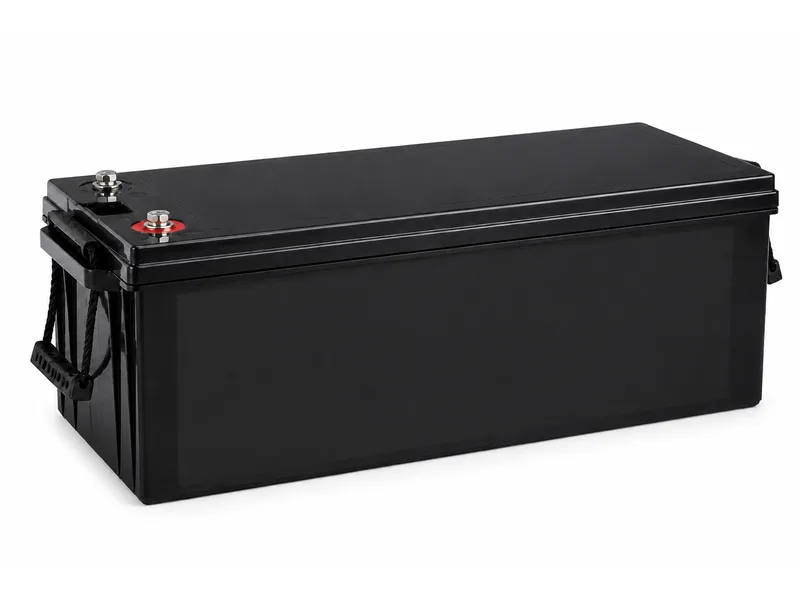
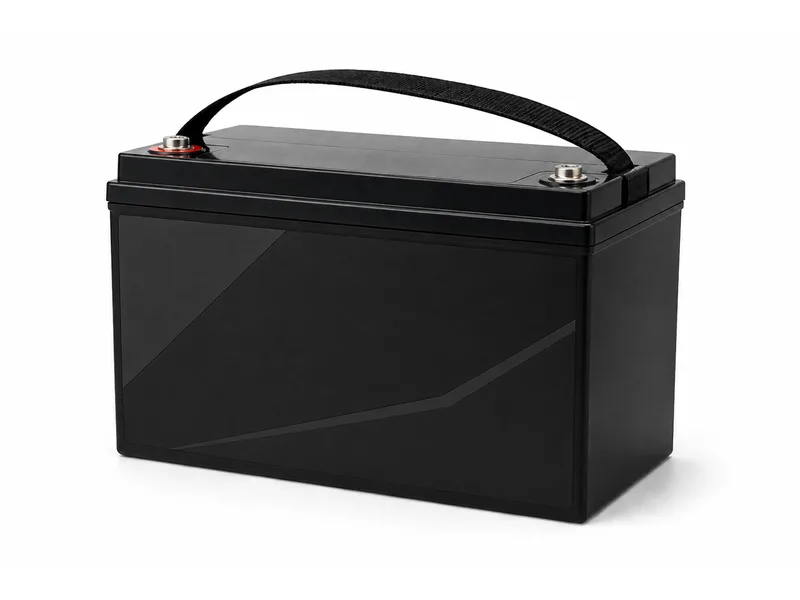
Begin with LiFePO4 SLA replacement when the device already uses a common lead-acid footprint and charger class.

Energy-oriented cells / custom pack

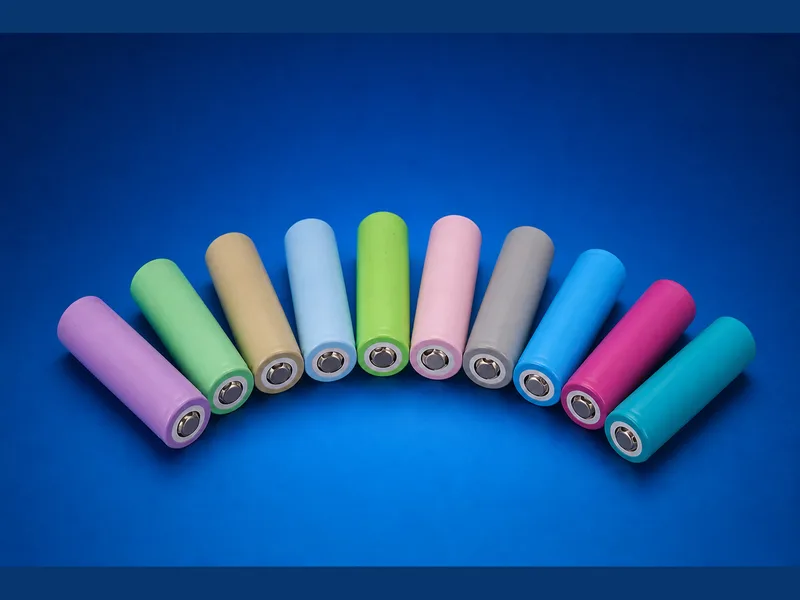
Use MJ1-class cells or a custom pack when the equipment needs a dedicated architecture rather than a drop-in module.

Model-specific documentation

Request specifications, drawings, and configuration records early, then confirm regulatory requirements for the destination market.

RFQ inputs

Send these with the request

A short requirements package reduces assumptions before samples or production quotes.

  • 01Runtime, standby, and recharge expectations
  • 02Existing battery/charger model or charge settings
  • 03Alarm, monitoring, and enclosure constraints
  • 04Required documents and destination-market scope
Start application RFQ
Recommended starting points

Products to begin the comparison.

Recommendations indicate a potential starting format only. Final suitability depends on the complete application and system review.

Start a project

Planning a medical & emergency equipment project? Start with the operating profile.

Share your target voltage, load profile, environment, volume, and schedule. Our team will follow up with the next technical and commercial questions.

Request a quote