Cell sourcing & matching
Identify suitable branded cells, match capacity/current class, and align datasheet and supply assumptions.
Use brand cells, SLA modules, or ESS platforms as a starting point. The project process aligns design, validation, documentation, and commercial scope around the intended system.
Capability scope is confirmed project by project. These are the main areas used to evaluate and deliver B2B battery programs.
Identify suitable branded cells, match capacity/current class, and align datasheet and supply assumptions.
Translate load, charging, environment, volume, and schedule requirements into a complete product specification.
Define protection behavior, CAN or RS485 options, I/O, monitoring, and equipment-level control assumptions.
Review the installation envelope, enclosure, connectors, mounting, cable routing, service access, and weight constraints.
Move from prototype builds to production release with clear ownership, acceptance criteria, and change control.
Align sample evaluation, lab testing, and certification coordination with the quoted configuration.
The objective is to reduce assumptions before samples and keep engineering, quality, procurement, and supply teams aligned to the same baseline.
Load profile, charging source, installation environment, interfaces, qualification, volume, destination, and timing.
Choose branded cells, SLA upgrade, ESS module, or custom pack path and document the gaps.
Align electrical limits, mechanics, communication, documents, testing, and commercial assumptions.
Build the agreed evaluation scope and capture results against defined acceptance criteria.
Confirm the configuration for production, traceability, supply, and future updates.
The information does not need to be complete. Early visibility into the system and program constraints helps the team identify the most important open questions.
We distinguish work performed by Egroupinus teams from partner-supported engineering, manufacturing, and lab services.
New Jersey sales and warehouse coordination help U.S. buyers manage samples, shipping documents, and delivery planning.
We match certification and test files to the manufacturer, model, revision, and project requirements.
Component examples
Reference visuals show BMS, connector, PCM, and fixture families used in OEM battery-pack discussions.
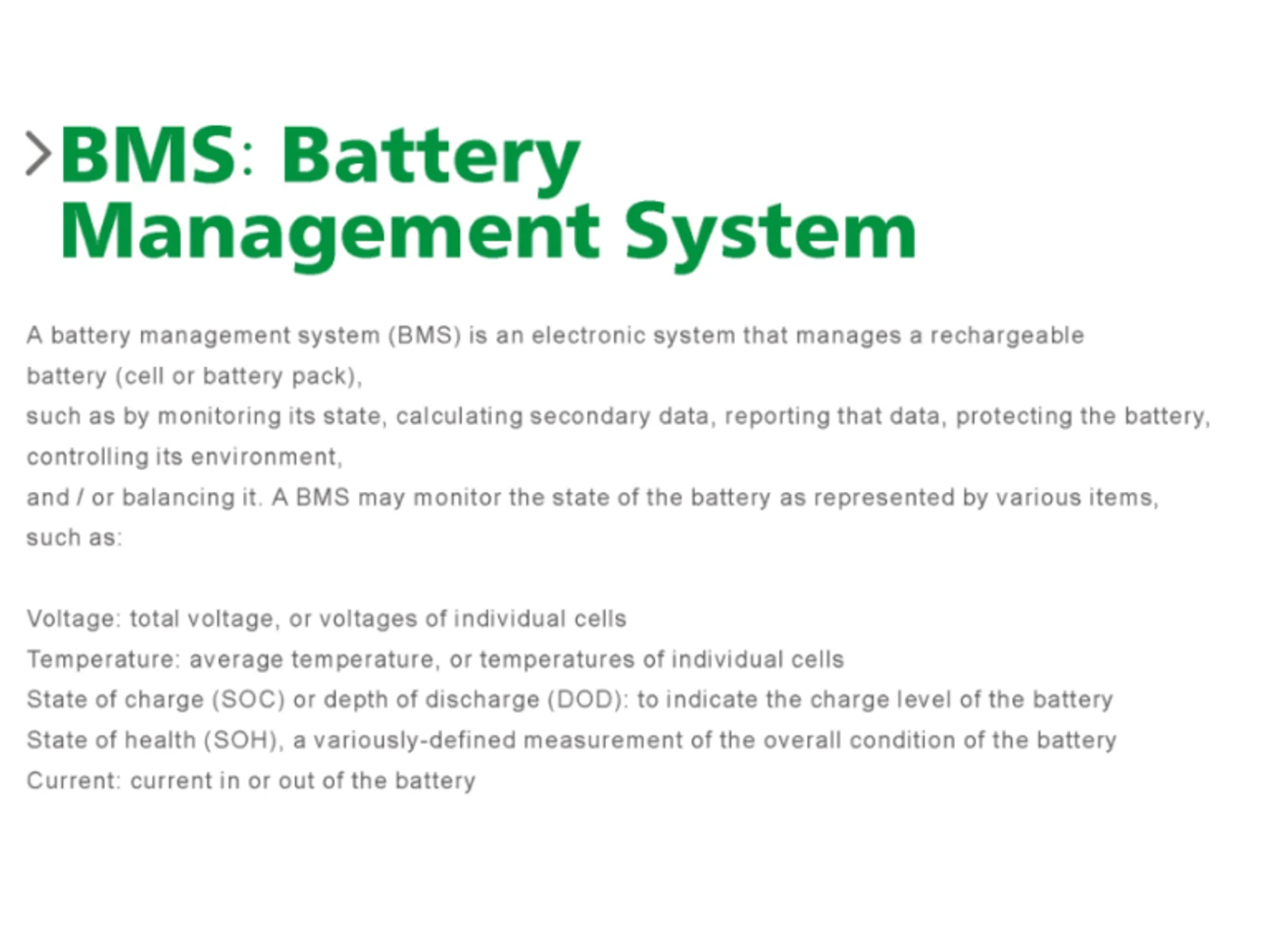
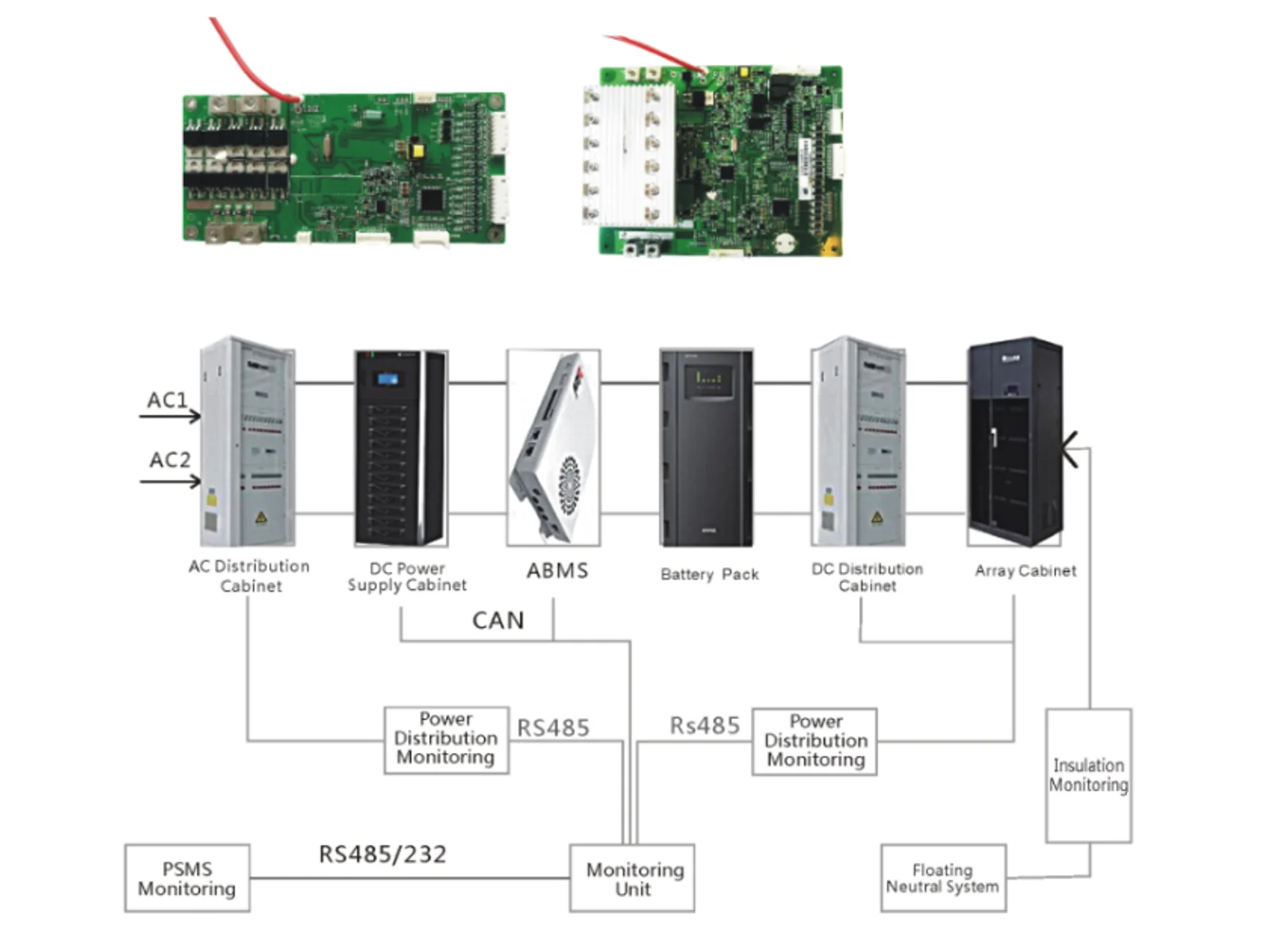
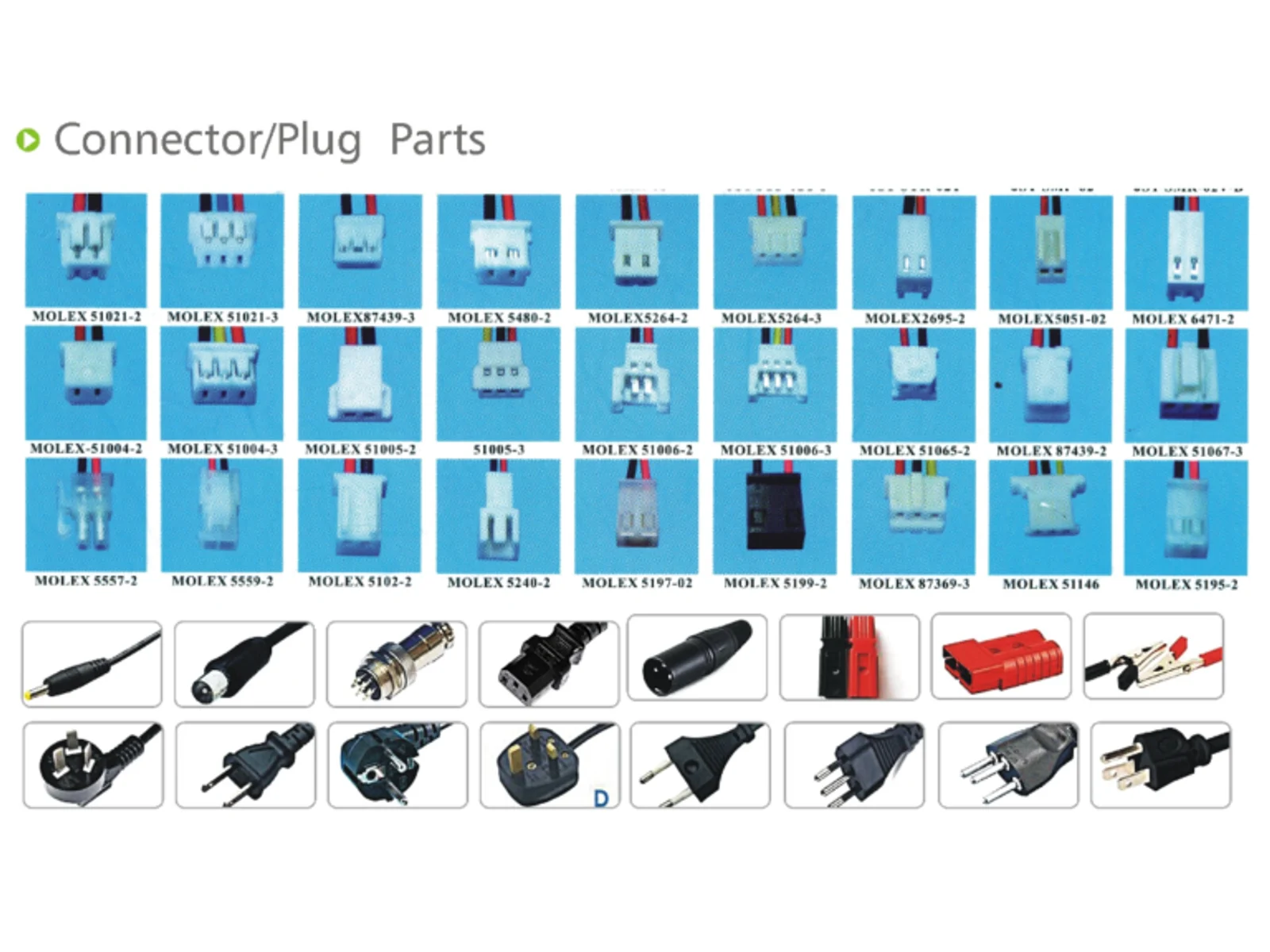
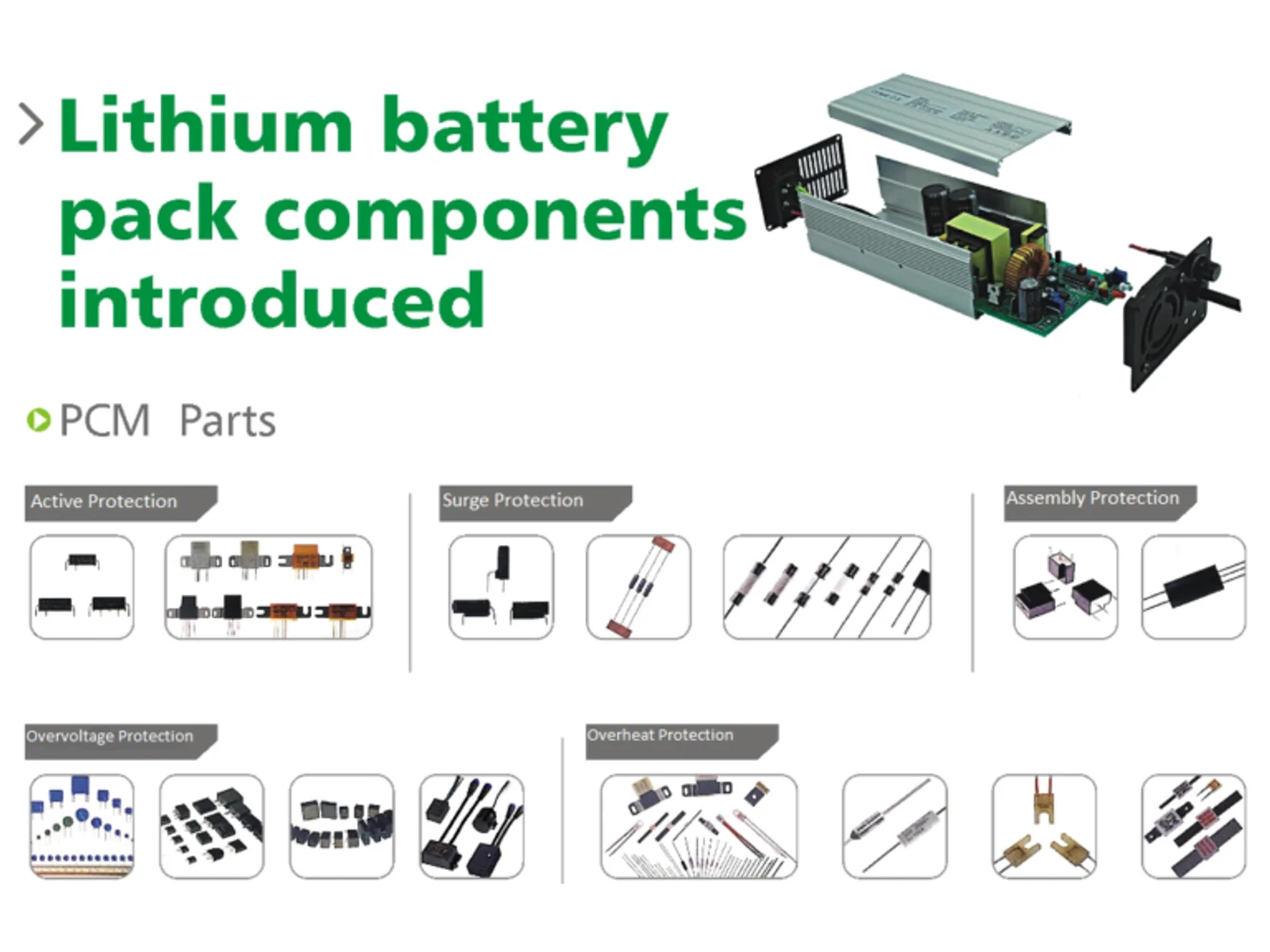
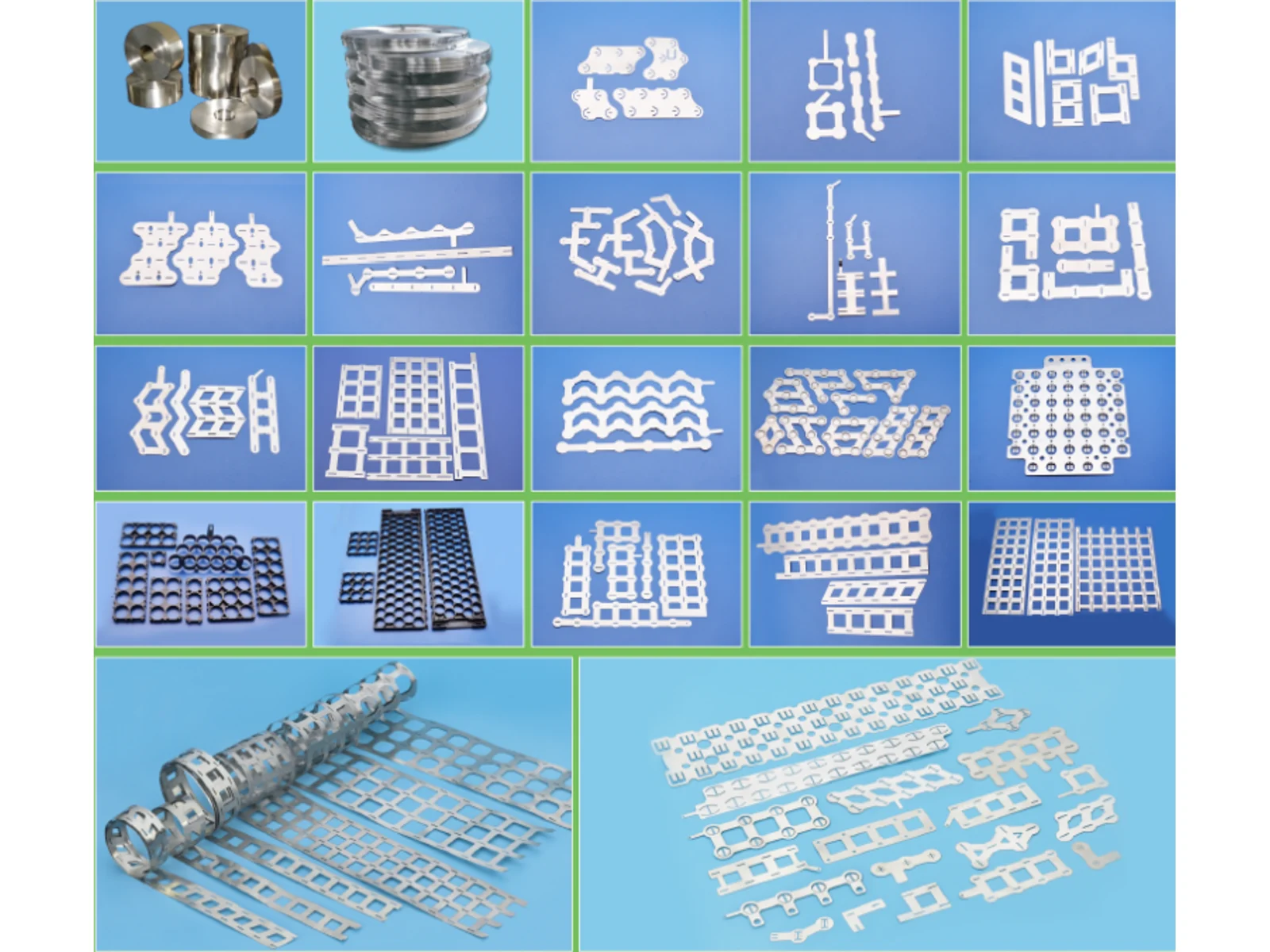
Use these examples to discuss component and architecture options. Board selection, thresholds, protocols, connectors, fixtures, and standalone availability are confirmed for each project.
Share your target voltage, load profile, environment, volume, and schedule. Our team will follow up with the next technical and commercial questions.