BMS - Battery Management System
A battery management system (BMS) is an electronic system that manages a rechargeable battery (cell or pack) by monitoring its state, calculating secondary data, reporting that data, protecting the battery, controlling its environment, and/or balancing it.
The state of the battery, item by item.
A BMS may monitor the state of the battery as represented by various items, such as:
- Voltage: Total voltage, or voltages of individual cells.
- Temperature: Average temperature, or temperatures of individual cells.
- State of charge (SOC) / depth of discharge (DOD): To indicate the charge level of the battery.
- State of health (SOH): A variously-defined measurement of the overall condition of the battery.
- Current: Current in or out of the battery.
Project scope
Matched to your pack
BMS protection thresholds, balancing behavior, and host-communication protocols are matched to the pack configuration. Specify your pack voltage, cell chemistry, series count, current limits, and protocol in your RFQ.
BMS references
Function overview and architecture examples
Reference images migrated from the previous E Group Inc. accessory pages.
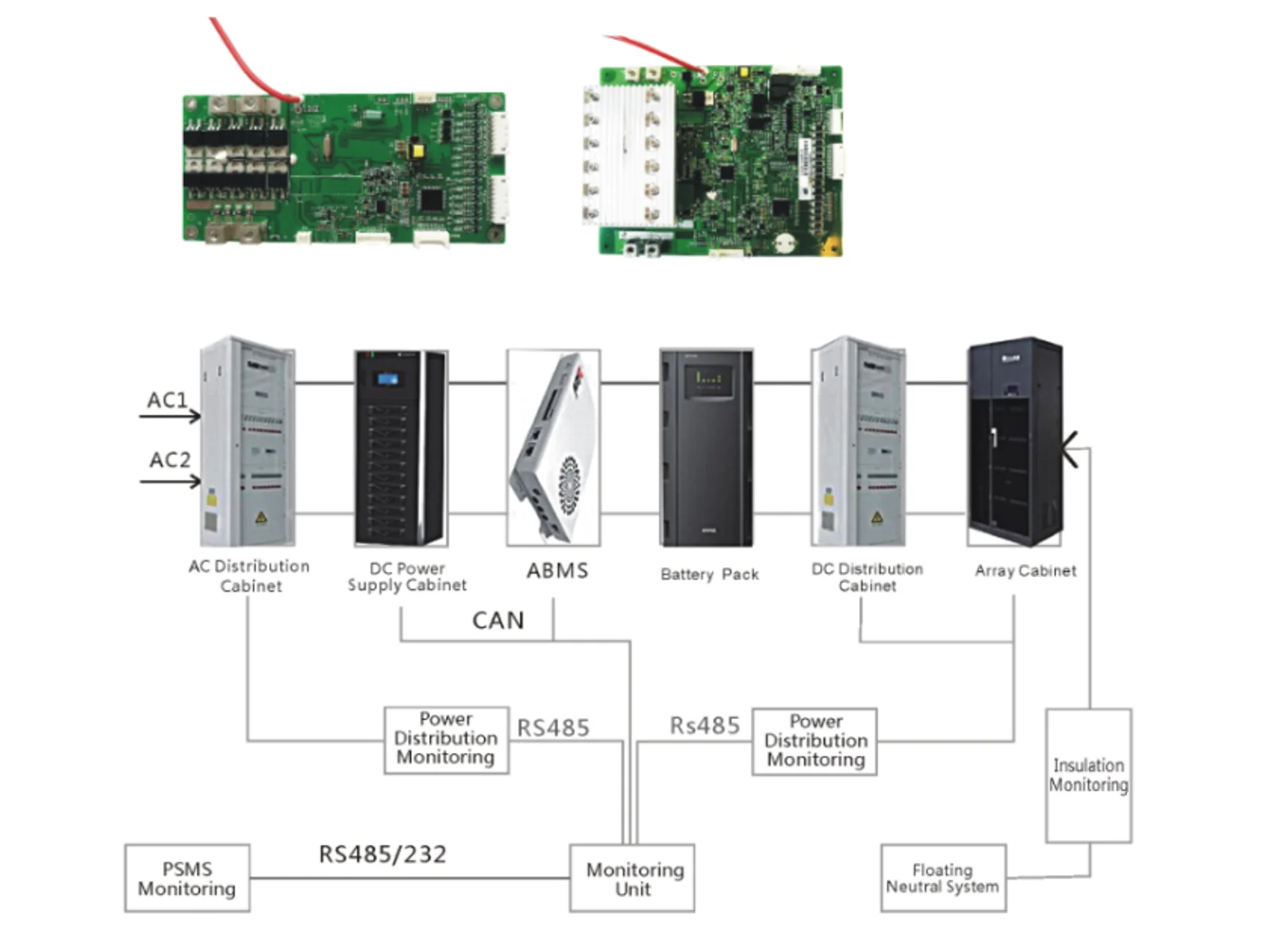
These are BMS family examples for design discussions. Protocol support and board selection are confirmed per project; standalone availability is not implied.
Share chemistry, series count, current limits, and communication needs for a BMS review.
Share your target voltage, load profile, environment, volume, and schedule. Our team will follow up with the next technical and commercial questions.